Fort Lisa (North Omaha, Nebraska)
North Omaha · Nebraska · War of 1812
History & Significance
Fort Lisa was established in 1812 in North Omaha by Spanish-born fur trader Manuel Lisa and the Missouri Fur Company of Saint Louis. Lisa located it on the Missouri River about 12 miles north of present-day Omaha after abandoning earlier posts at Fort Raymond/Manuel in Montana and Fort Lisa in North Dakota.
The fort traded in furs, cattle, horses and land, and served as a base from which Lisa acted as a sub-agent to neighboring tribes for the federal government. Lisa's influence from the fort was strong enough to keep Missouri River Indians allied with the United States during the War of 1812; he organized war expeditions against tribes allied with the British and secured allegiance of northern Missouri tribes.
The Western Engineer, the first steamboat on the Missouri, arrived in 1819 with General Henry Atkinson and Captain Stephen Kearny, both of whom had later forts named after them. Lisa spent the winter of 1819–20 at the fort with his third wife, Mary Hempstead Keeney, and hosted Major Stephen H. Long, whose expedition camped nearby.
Lisa returned to St. Louis in 1820 and died that year. The fort was closed by 1823, when Joshua Pilcher moved operations to Bellevue.
Key Facts
Map
View larger map ↗ · © OpenStreetMap contributors
🧳 Visiting
What you’ll see when you visit:
- Memorial plaque marking the fort's approximate location
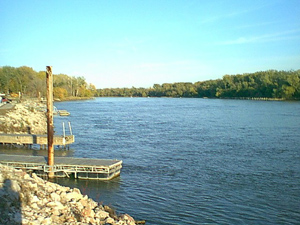
- Missouri River setting central to early fur trade
- Historic hub for commerce between European traders and Native American tribes
- Early 19th-century diplomatic and trading post site that shaped regional settlement
Sources
- https://en.wikipedia.org/wiki/Fort_Lisa_(Nebraska)
- https://usgennet.org/usa/ne/topic/resources/OLLibrary/SCHofNE/pages/schn0043.htm
- https://en.wikipedia.org/wiki/Manuel_Lisa
- https://www.hmdb.org/m.asp?m=7892
- https://nebraskastudies.org/en/1800-1849/fur-traders-missionaries/the-fur-traders/
- https://northomahahistory.com/2017/02/17/north-omahas-fort-lisa/